


Myth or reality
Myth: anyone can negotiate with a supplier
Procurement negotiation is not an inborn talent but a learnable profession. What professional negotiators do differently, and how to develop your team.
19 October 2026 · 5 min read
The seasoned negotiator profile is no longer enough for a CPO. Four competency areas, and what they mean for the leader, HR and the CEO.
ProcurePro 5 min read
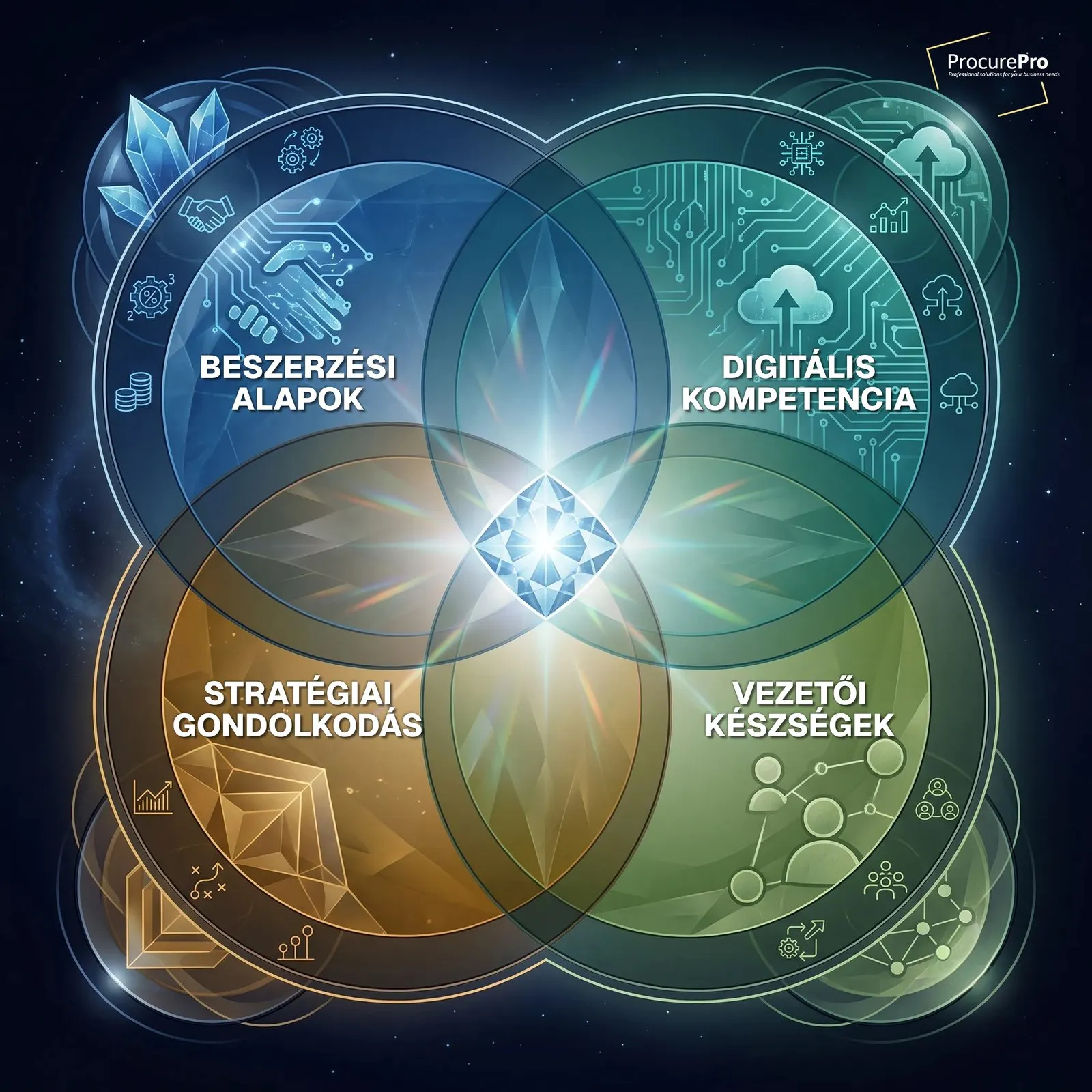
A few years ago the ideal procurement leader looked like this: at least fifteen years in procurement, deep category knowledge, a tough negotiator, good at managing relationships. That profile is still valuable. It is just no longer enough.
Procurement’s responsibilities have grown. Procurement leaders are now expected to work from data, understand the company’s finances, and bring people from several departments along when something changes. In our own projects and training sessions we see that successful procurement leaders are strong in four areas, and two or three of them barely featured in the traditional profile.
Still mandatory. Without them, the other three are worth little.
This is the new area. It does not mean programming. It means a leader who bases decisions on data.
The last point is often the most important. A report built on poor master data leads confidently to the wrong conclusion. As AI tools spread, that risk grows, which we also cover in our article on AI in procurement.
This area is not new, but its weight has grown a lot.
A procurement leader gets a seat at strategic decisions when they can frame proposals in management’s language, which means financial impact. Instead of “we negotiated a good discount”, the question is how much it improves the product’s margin and what that means for the annual result.
This area has changed the most.
Procurement transformations rarely fail on technology. Far more often they fail because other departments do not get behind them. We wrote about this in detail in our article on change management.
Every team is different, but if you want to assess yours, three places are worth checking first.
The digital and analytical side. People who grew up in negotiation and supplier relationships have less often worked directly with data. When someone else builds the report, it is easy not to ask what is behind it.
Business context. Does the buyer get a chance to link decisions to the company’s results? If not, they see the savings but not the full financial impact.
Middle management. Sometimes senior leaders and junior buyers get training while middle managers are left out. Yet they are the ones who carry change into daily work.
Do not sign up for the next negotiation training. Choose a business finance course or a data analysis course instead. Your negotiation skills are probably already stronger than your finance or data skills, and management can see the difference.
Update the competency profile for procurement roles. Do not recruit today against expectations from several years ago. Data handling, financial thinking and leading change belong in the job ad and the interview, not only negotiation results. In the interview, ask for concrete examples: a decision the candidate made based on data, and a proposal they presented with its financial impact.
Ask your procurement leader when they last attended business or finance training. If they cannot remember, that is where the problem is. Procurement can be a strategic partner when its leader understands the same numbers you do.
It is also worth checking whether your procurement leader takes part in annual planning and in preparing major investment decisions. If procurement joins only after the decision, the specification and the supplier pool are already fixed, and most of the opportunities are gone.
Training matters, but competence is built in daily work. A few methods that work without a training room:
All of these are part of procurement’s daily work, and each one builds a specific competency area.
We bring 41 years of combined multinational procurement experience to work with procurement teams, both in projects and in training. We help you assess where the team is strong and where the gaps are, and we build development around real procurement tasks. See our procurement service, or request a free consultation.
The one with the biggest gap that matters most for the next one or two years of work. For most experienced procurement leaders that is not negotiation but finance or data analysis.
No. They need to know which data answers which question, be able to judge data quality, and be able to state precisely what report they want from an analyst or from IT.
Turn the sub-points of the four areas into a simple self-assessment sheet with a 1–5 scale, and have the direct manager fill it in as well. The gap between the two ratings tells you as much as the scores themselves.
Besides negotiation results, ask how the candidate used data for a decision, how they presented the financial impact of a sourcing proposal to management, and how they carried a change through against resistance from other departments.
Myth or reality
Procurement negotiation is not an inborn talent but a learnable profession. What professional negotiators do differently, and how to develop your team.

Hackett Group's 2025 benchmark shows top procurement organizations run at lower cost and deliver more savings. What can your team take from it?

Problems and solutions
A faulty first delivery and a stopped production line. Six steps to supplier pre-qualification, from questionnaire to PPAP to contractual change control.
A free 30-minute call — then you decide. No sales process, no obligation.